This week, Kaysville's secondary water mainlines started draining for the season, roughly a month earlier than normal. The cause is a smaller than normal snowpack layered on top of a hot, dry summer, and the early shutoff is being mirrored by irrigation providers across the region as supplies run tight. For most residents, that is a lawn-care inconvenience. For anyone buying or selling a home in Kaysville right now, it is a reminder of something the front lawn cannot tell you and a walkthrough will not surface: Kaysville's secondary water is not one system. It is three, run by three separate companies, and this year's shared shutoff date is one of the only things they currently have in common.
"The house has secondary water" gets treated like a single fact on a listing sheet. In Kaysville, it is a question with at least two layers underneath it: which company actually serves this lot, and does the seller own transferable shares in it, free and clear. Miss either layer and you find out during due diligence, which is the worst time to find out anything.
Kaysville Runs on Three Separate Water Companies, Not One
Most cities along the Wasatch Front have a single culinary water department and call it a day. Kaysville's outdoor irrigation water is delivered through three independently operated companies, and the city's own pressure irrigation page is direct about it: residents are served by Benchland Water District, Davis and Weber Counties Canal Company, or Haights Creek Irrigation, and each operates independently from the city with its own rules, rates, and schedules.
Provider | Contact | Website |
|---|---|---|
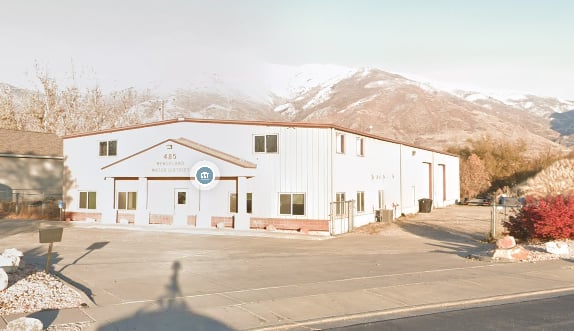
Benchland Water District | 485 E Shepard Lane, Kaysville, 801-451-2105 | benchlandwater.com |
Davis and Weber Counties Canal Company | 138 W 1300 North, Clearfield, 801-774-6373 | davisweber.org |
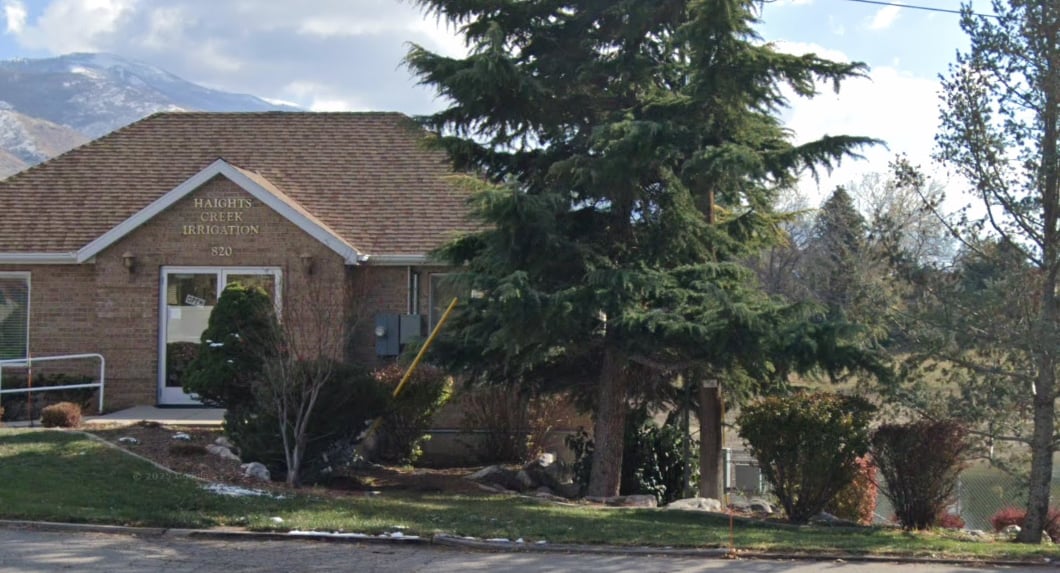
Haights Creek Irrigation | 820 E 200 North, Kaysville, 801-546-4242 | haightscreek.org |
This year, the drought has pushed all three toward a similar calendar, with the Weber Basin Water Conservancy District, which wholesales the underlying supply, announcing a delayed spring start of May 1 instead of the typical April 15 and an early fall shutoff of September 15 instead of the typical October 15, along with a mandated 20 percent cut in outdoor water use. That convergence is the exception, not the rule, and it does not touch the deeper way these three companies differ the rest of the time: separate budgets, separate rate structures, and separate rules for what a shareholder owes and owns. The city's interactive irrigation boundary map is the way to find out which one actually serves a given parcel, rather than assuming based on the house next door.
Why the System Is Split This Way
The fragmentation is not an accident of modern bureaucracy. It is inherited from how Davis County was settled. Haights Creek Irrigation Company traces back to February 28, 1899, when forty-five Kaysville residents organized to manage water flowing in Haights Creek and secured a charter to build and control ditches, reservoirs, and pipelines for their own shareholders. Benchland and the Davis and Weber Counties Canal Company grew out of similar community-organized water claims tied to specific creeks and canyons rather than city limits.
That history is the reason a single Kaysville zip code can contain three separate rate schedules today. Each company still answers to its own shareholders and board, not to city hall. The practical upshot for anyone buying or selling here is that the water conversation is never generic. It is specific to whichever creek historically watered that particular block.
The Part That Actually Belongs in the Contract
Here is where the transaction risk sharpens. Moving Utah explains that irrigation water shares are shares of stock in a mutual company and do not automatically convey with the deed unless the contract says they do. A seller can convey the house and keep the water.
Haights Creek's own paperwork shows exactly how literal this is. The company's transfer of stock form requires a departing shareholder and the incoming buyer to complete a specific transfer process, includes a 25 dollar transfer fee to complete the change, and requires the new owner to agree in writing to abide by the company's bylaws as a condition of receiving water. None of that happens automatically at closing. It happens because someone submitted the paperwork.
The stakes for skipping it are concrete, not theoretical. Haights Creek's current billing rules assess a 25 dollar late fee per month on payments received after January 15, and if a shareholder falls delinquent for two consecutive years, the company submits those shares for repossession. A buyer who assumes the water shares are included, without confirming the account is current, can inherit a bigger problem than a higher bill.
Before writing or accepting an offer that assumes water shares are part of the deal, three things need to be true:
- The contract states, in writing, how many shares convey and which company they belong to.
- The share certificate is transferable and current, with no unresolved assessments or late fees attached.
- The transfer is actually filed with the water company.
The Valve Requirement That's Already a Fact, Not a Future To-Do
If you are transacting on a Haights Creek Irrigation property this month, there is a compliance item attached to the shares that a seller's disclosure form will not necessarily flag. Since 2022, Haights Creek has been carrying out a state-mandated metering project, replacing shared valve boxes with individually metered ones, and the company has been explicit that every shareholder property must have its own working personal valve installed and operable before each season begins, with service subject to being withheld until that is corrected.
Because this year's season opened later than usual, in May instead of April, that deadline already came and went for the 2026 season. That means the valve question is not a countdown for anyone closing now. It is a status check. Either the current owner already installed and confirmed a working personal valve this year, or the property has been running on the company's own emergency box, which the bylaws do not treat as a long-term fix. Since the metering rollout is ongoing, the same requirement will resurface before the 2027 season opens, so a buyer inheriting a non-compliant valve inherits next year's deadline along with it.
For a seller, that makes the valve worth confirming before you list, not after an inspection raises it. For a buyer, it makes "does the personal valve work" a specific, answerable question, not a vague one about whether the water is on.
What This Changes About How You Approach the Transaction
If you are listing a Kaysville home this fall, the water conversation belongs on the pre-listing checklist:
- Confirm which of the three providers actually serves the parcel using the city's boundary map, rather than assuming based on a neighboring property.
- Pull the current share certificate and confirm the account has no unresolved assessments or late fees, especially given how quickly a Haights Creek account can become delinquent.
- If the property is on Haights Creek's system, confirm the personal valve was installed and is operable for this season.
- Decide before you list whether the shares convey with the sale, and state it plainly rather than leaving it to be negotiated late.
If you are buying, the questions run the other direction:
- Ask which provider serves the property and get its current rate structure and restrictions in writing, since a property's actual carrying cost depends on which company it sits under.
- Ask to see the share certificate and confirm the number of shares matches what is represented, and that the account is current.
- Confirm through the water company, not just the seller, that the shares are transferable, and budget for the transfer fee the company charges to process it.
- If the parcel is on Haights Creek, ask directly whether the personal valve has been installed and inspected this season.
None of this makes a Kaysville home harder to buy or sell. It makes the water conversation something you settle with facts instead of assumptions, which is exactly the kind of groundwork that keeps a closing on schedule.
A Few Direct Questions
Does every home in Kaysville have secondary water, and is it all shutting off the same week this year? Coverage depends on which of the three providers, if any, serves that specific parcel, and the current early shutoff is a drought-driven exception tied to the regional wholesale supplier, not a permanent shared schedule. In a typical year, the three companies set their own dates independently.
If a listing says "secondary water included," are the shares automatically part of the sale? Not automatically. Utah treats irrigation shares as personal property separate from the deed. The contract has to state that shares convey, and the transfer still has to be processed and paid for through the water company's own records.
What happens if a Haights Creek property's personal valve was never installed? The company's rules allow service to be withheld until a working valve is in place, and the current metering rollout means this is checked each season, not a one-time requirement.
Talk to Someone Who Knows Which Side of the Boundary You're On
Water in Kaysville is neighborhood-specific in a way that a generic disclosure form cannot capture, and getting it right protects both the sale price and the closing timeline. If you are preparing to list a Kaysville home or you are comparing properties across its three irrigation boundaries, the team at Doxey Real Estate Group can walk the specifics of a given parcel with you. Start with a Get a Free Home Valuation and we will help you sort out exactly what conveys, what doesn't, and what needs to be settled before you sign anything.
This article is general information, not legal, tax or financial advice. Consult a qualified professional about your situation.