If you want mountain views without feeling far from everyday essentials, Fruit Heights deserves a closer look. This small Davis County city has a distinct foothill setting, a strong park-and-trail identity, and a residential feel that stands apart from larger nearby communities. If you are wondering what daily life here actually feels like, this guide will walk you through the setting, housing pattern, outdoor access, and local routines that shape living in Fruit Heights. Let’s dive in.
Fruit Heights has a true foothill feel
Fruit Heights is a compact city in Davis County with roots tied to the old Mountain Road and the orchards that helped inspire its name. The city describes itself as a small town of about 6,000 residents, which helps explain why it often feels more intimate and less sprawling than bigger suburban areas nearby.
Its location along the Wasatch foothills gives the city much of its identity. Instead of a broad suburban grid, you get a setting where the land, elevation, and east-bench terrain play a bigger role in how streets, lots, and neighborhoods feel.
Planning materials place Fruit Heights near Kaysville, Farmington, and Layton, which makes it part of a connected east-side Davis County cluster. That means you can enjoy a quieter foothill environment while still staying close to nearby city conveniences.
Outdoor living is part of daily life
One of the clearest themes in Fruit Heights is access to parks, trails, and community recreation. The city’s Parks and Recreation Department centers its role around strengthening community through parks, events, and outdoor recreation, and that mission shows up in everyday life.
The local park network includes Nicholls Park, Harvey Park, Creekview Park, and Ellison Farms Park. At Nicholls Park, reserved pavilions and amenities include trails, restrooms, tables, parking, water, and a playground, which supports both casual weekend use and larger gatherings.
If you enjoy getting outside, the trail system is a major part of the appeal. City materials describe an east-bench multi-use trail network that connects to Baer Creek Trail, Shepard Creek Trail, and the Bonneville Shoreline Trail.
These trails support a range of uses, including:
- Hiking
- Mountain biking
- Cross-country skiing
- Snowshoeing
That variety adds to the foothill lifestyle. In Fruit Heights, outdoor access is not just something you drive to. It is part of the rhythm of living there.
Community events add small-town connection
A foothill location shapes the scenery, but local events help shape the community experience. Fruit Heights highlights recurring activities such as Founders’ Day, Free Movie Day, Community Day of Service, and Youth City Council projects.
For you as a resident, that can create a stronger sense of local connection than you might expect from a small city. These kinds of recurring city-supported events often make it easier to settle in, meet neighbors, and feel part of the place over time.
Because Fruit Heights is relatively small, community life can feel more visible and more local. You are not just living near amenities. You are living in a city that actively organizes around shared public spaces and local traditions.
Housing is mostly single-family
If you are considering a move to Fruit Heights, it helps to understand the housing pattern. The city’s zoning code includes several residential categories, a multi-family residential zone, and provisions for internal accessory dwelling units and short-term rentals.
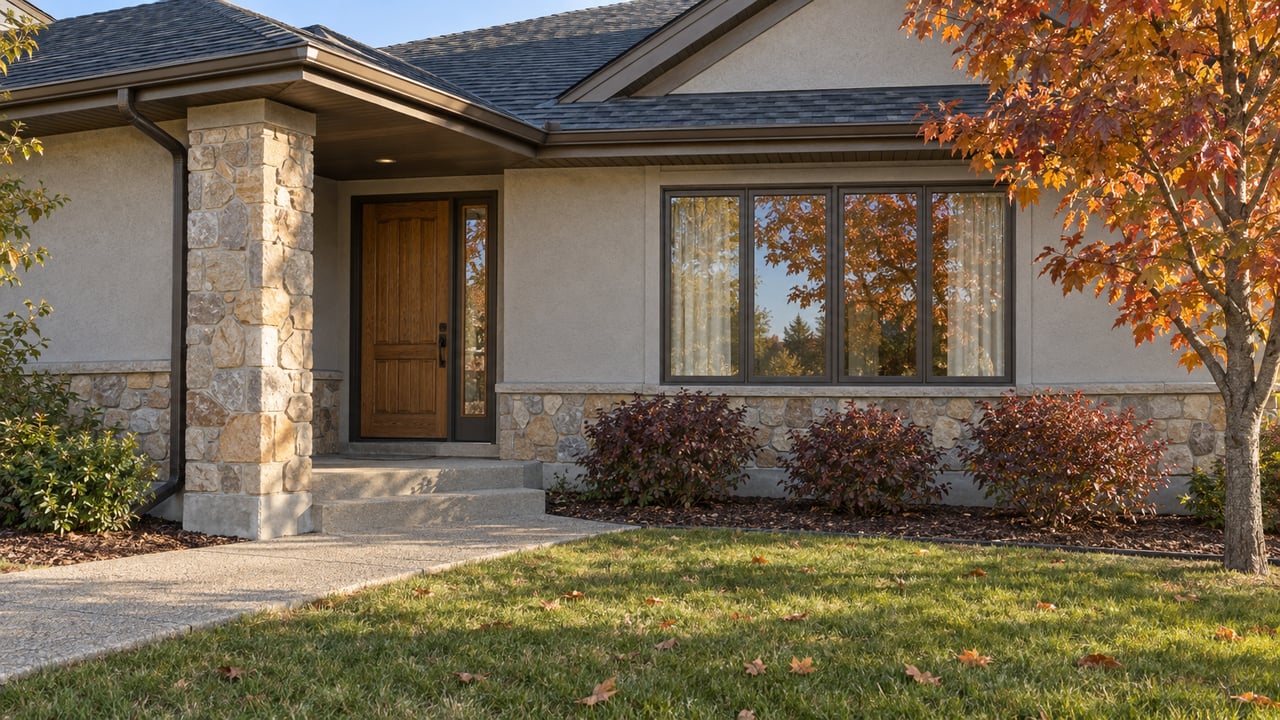
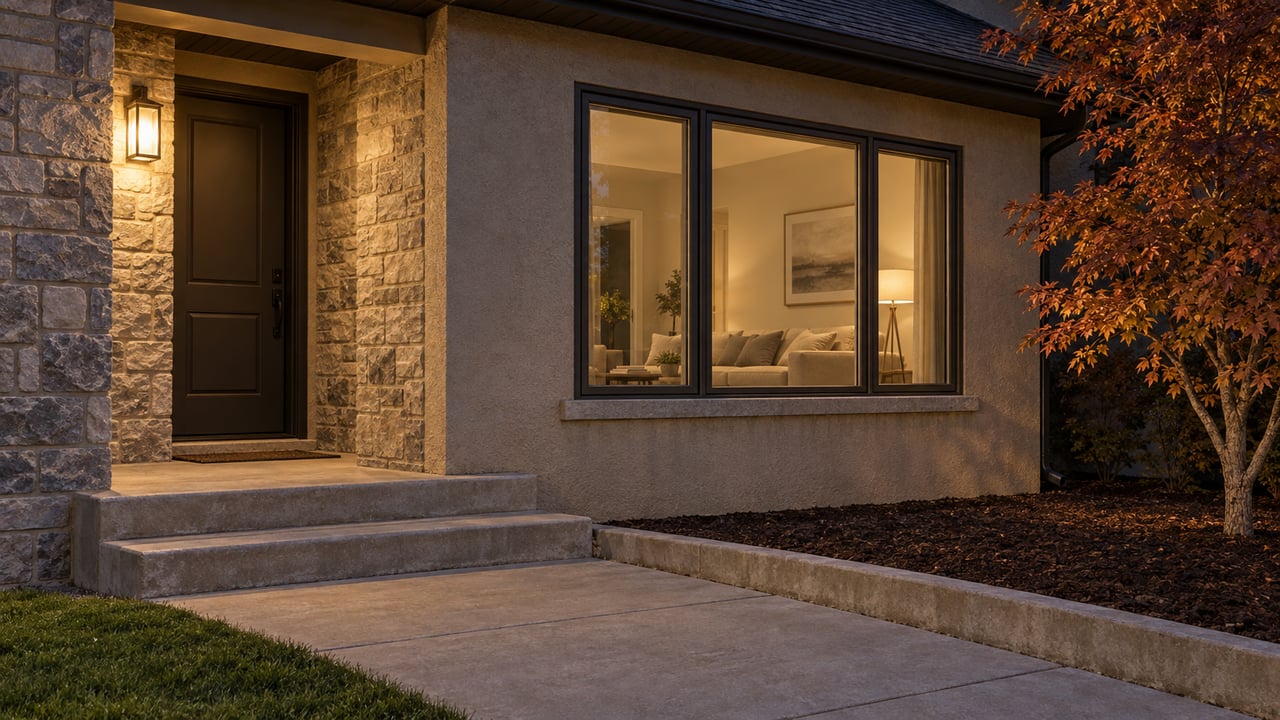
Still, the overall picture from the city’s materials points to a community dominated by detached single-family homes. That lines up with how many buyers experience Fruit Heights on the ground, with residential areas that tend to feel established, low-density, and shaped by the foothill setting.
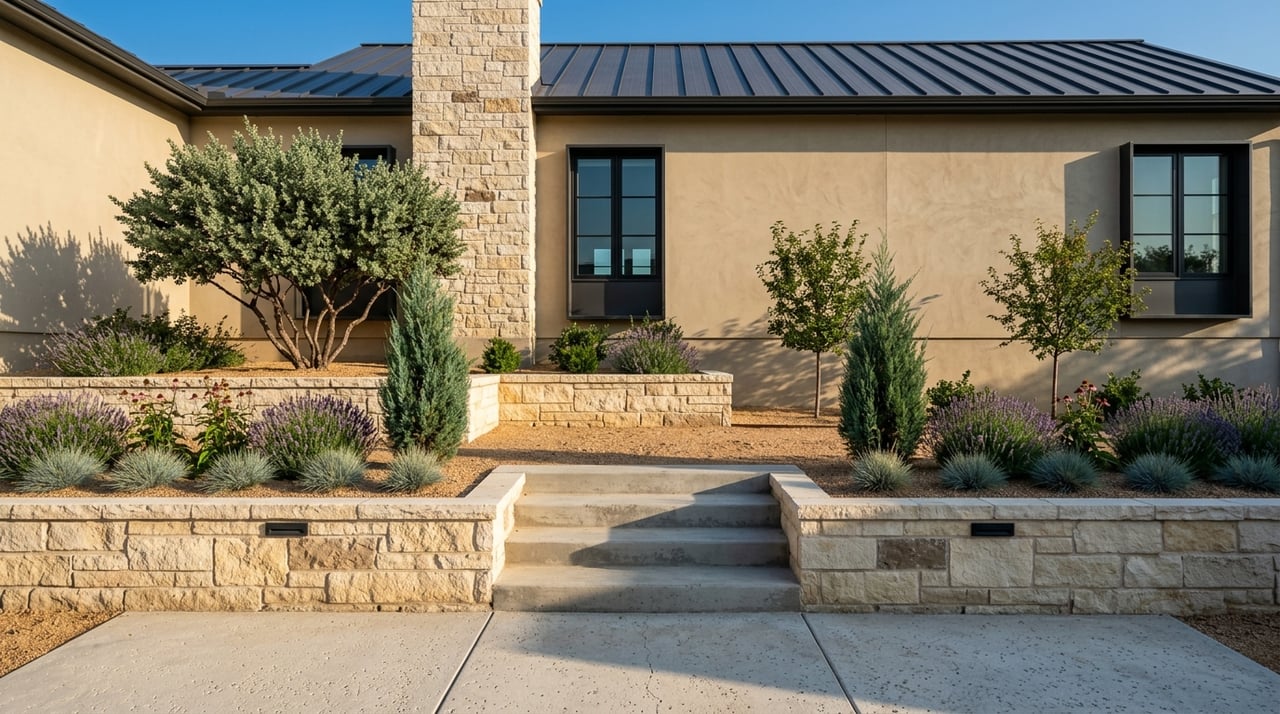
There is also evidence of larger-lot east-bench living in parts of the city. One current subdivision example, Rock Loft Ridge Estates, spans about 65.79 acres and includes lots ranging from 12,000 to 50,000 square feet.
For buyers, that means Fruit Heights may appeal if you want more separation between homes in certain areas or a property that leans into the hillside setting. For sellers, it also means location within the city, lot usability, and terrain can have a major impact on how a home is viewed.
Terrain matters more here
Living at the foothills brings a different set of considerations than living on flatter ground. Fruit Heights includes sensitive-lands and wildland-urban-interface overlays, along with hazard maps for slope stability, debris flow, and rockfall.
That does not mean every property carries the same concerns. It does mean site planning, grade, drainage, lot shape, and hillside conditions can matter more here than in other nearby neighborhoods.
If you are buying in Fruit Heights, it is smart to pay close attention to how a lot sits, how outdoor space is laid out, and how the property relates to the surrounding terrain. If you are selling, these same details can influence pricing, buyer interest, and how your home should be presented.
Daily routines feel local and practical
Fruit Heights has a practical, service-oriented side that adds to its small-town feel. The city provides culinary water, sanitary sewer, garbage collection, and optional green-waste recycling.
Even the trash schedule reflects a very local rhythm. According to the city FAQ, trash pickup happens on Tuesdays west of U.S. Highway 89 and Wednesdays east of 89.
That may seem like a small detail, but it says a lot about the character of the city. Fruit Heights tends to feel organized around local routines, city services, and a simpler day-to-day pattern rather than the pace of a larger urban area.
Highway 89 helps shape the city
U.S. Highway 89 creates a basic east-west split in Fruit Heights, and that matters in everyday living. The city’s service patterns reflect that division, and it can also affect how you think about location within the community.
For some residents, being east or west of 89 may shape driving routes, access patterns, and neighborhood feel. It is one of those practical factors that may not show up in a quick online search but can become important once you start comparing homes.
This is where local guidance can make a difference. Two homes with the same bedroom count can offer very different day-to-day experiences depending on lot position, terrain, and where they sit within the city.
Nearby access stays convenient
One of Fruit Heights’ strongest lifestyle advantages is that it feels tucked into the foothills without feeling isolated. The city’s history shows a long connection to Kaysville through the old Mountain Road, and planning documents consistently place Fruit Heights in close relationship with Kaysville and Farmington.
For you, that can mean a good balance between setting and convenience. You get a more distinct residential environment, but nearby errands, services, and regional connections remain close at hand.
That balance is often what draws buyers to communities like Fruit Heights. You are not choosing between nature and convenience as much as you are looking for a place that blends both.
Who Fruit Heights may fit best
Fruit Heights can be a strong fit if you are drawn to detached housing, foothill scenery, and outdoor access. It may also appeal if you want a smaller city feel while staying connected to nearby Davis County communities.
You may especially appreciate Fruit Heights if your home search priorities include:
- A residential setting with a small-city identity
- Access to parks and multi-use trails
- Detached homes as the dominant housing type
- Opportunities for larger lots in some areas
- Close proximity to Kaysville, Farmington, and Layton
At the same time, foothill living asks you to look carefully at the details. Lot slope, usable yard space, street position, and access patterns can all carry more weight here than in flatter neighborhoods nearby.
Why local insight matters in Fruit Heights
Fruit Heights is the kind of market where the broad description only tells part of the story. Two homes can both be in Fruit Heights but offer very different experiences based on terrain, trail proximity, lot size, and location relative to Highway 89.
That is why buyers benefit from neighborhood-level context, not just listing photos. It is also why sellers need pricing and positioning that reflects what makes a specific property stand out in this foothill setting.
If you are exploring Fruit Heights, a local, practical read on the city can help you make better decisions with less stress. Whether you are comparing communities, narrowing a home search, or thinking about selling, the details matter here.
If you want help understanding how a specific home or property fits into the Fruit Heights market, Doxey Real Estate Group can help you make sense of the options with straightforward local guidance.
FAQs
What is Fruit Heights, Utah, like for everyday living?
- Fruit Heights offers a small-city feel in the Wasatch foothills, with local city services, a park-and-trail lifestyle, and close connections to nearby communities like Kaysville and Farmington.
What kinds of homes are common in Fruit Heights?
- Official city materials suggest Fruit Heights is primarily a detached single-family community, with some areas that include larger lots and foothill-oriented development.
What outdoor activities are available in Fruit Heights?
- Fruit Heights has parks and a multi-use east-bench trail system that connects to Baer Creek Trail, Shepard Creek Trail, and the Bonneville Shoreline Trail for hiking, biking, cross-country skiing, and snowshoeing.
What should buyers know about foothill properties in Fruit Heights?
- Buyers should pay attention to lot shape, slope, site layout, and terrain-related factors because the city includes sensitive-lands and wildland-urban-interface overlays, plus hazard mapping for slope stability, debris flow, and rockfall.
Is Fruit Heights close to other Davis County cities?
- Yes. City planning materials place Fruit Heights alongside nearby Kaysville, Farmington, and Layton, which supports convenient access to surrounding areas while keeping a more tucked-in foothill setting.