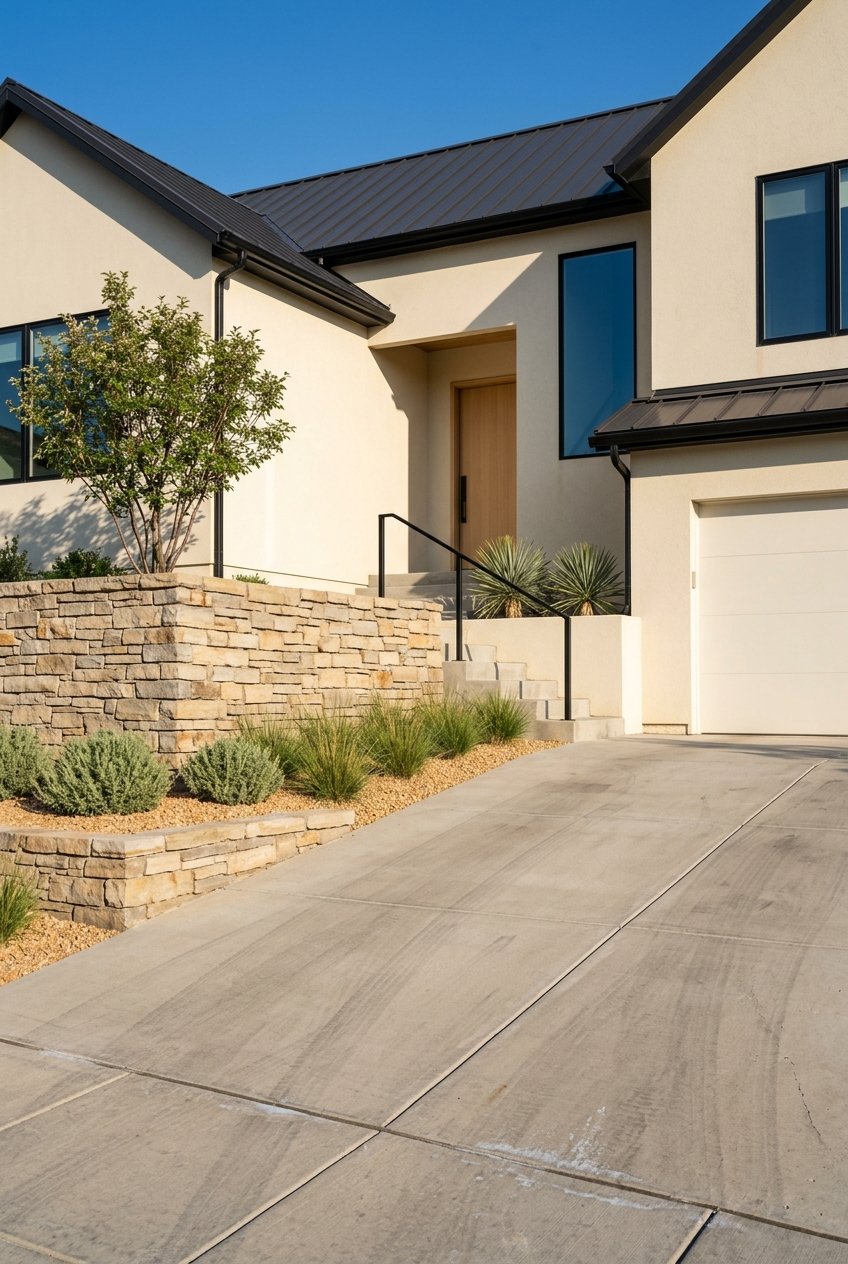
If you are drawn to mountain views, extra privacy, and outdoor spaces that feel a little more elevated, a hillside home in Fruit Heights can be very appealing. It can also come with more site-related questions than a home on a flatter, more typical lot. This guide will help you understand what makes these properties different, what to look for before you buy, and how to weigh the tradeoffs with confidence. Let’s dive in.
Why hillside homes stand out
Fruit Heights sits where the Wasatch foothills meet established neighborhoods, and the city’s planning approach reflects that setting. Official city materials emphasize preserving scenic beauty, ridgelines, drainage channels, vistas, and other natural features while encouraging terrain-adaptive design and minimal cuts and fills.
For you as a buyer, that means a hillside or view home is often about more than square footage or bedroom count. The lot itself can shape how the home lives, how the outdoor space functions, and what future changes may require.
Fruit Heights lot basics
Fruit Heights single-family zoning includes minimum lot sizes of 6,000, 8,000, and 12,000 square feet depending on the zone. That range is helpful context, but it does not tell the full story for a hillside property.
In this market, orientation, slope, privacy, and view exposure can matter just as much as lot size. A smaller lot with strong valley or mountain views and usable outdoor living space may feel more valuable to you than a larger lot with fewer site advantages.
What often adds value
Many current or recent Fruit Heights listings show the kinds of features buyers tend to see in hillside and view-oriented homes. These can include:
- East bench locations
- Dead-end streets or cul-de-sacs
- Private or gated roads
- Side-road access
- Walk-out basements
- Decks and patios
- Terraced yards
- RV parking
- Mountain, valley, or water views
That mix matters because a hillside home is usually selling a lifestyle as much as a floor plan. In Fruit Heights, outdoor rooms, privacy, and the feeling of being tucked into the terrain often help define the appeal.
Why the lot matters as much as the house
With a hillside property, you are not just buying the structure. You are also buying the access pattern, drainage setup, yard usability, and long-term maintenance needs tied to the slope.
For example, one home may offer a dramatic terraced yard and walk-out lower level, while another may have a gently sloping lot with multiple patios, a pool, and more straightforward outdoor access. Both can be attractive, but they may fit very different day-to-day routines and maintenance expectations.
Key due diligence for hillside homes
Check hazard overlays early
Fruit Heights has a Sensitive Lands Evaluation & Development Standards chapter along with formal hazard maps for slope stability, rockfall, debris flow, floodplain, and wildland-urban-interface concerns. If a property is in a mapped hazard area, the city requires site-specific studies before development in certain cases, including slope stability and landslide studies as well as rockfall studies.
Even if the home is already built, those maps still matter to you. They can affect future improvements, the review process, and how you think about risk and long-term ownership.
Ask what applies to the parcel
Before you get too far into the process, it is smart to ask whether the parcel sits in any mapped hazard or overlay area. You will also want to understand whether prior studies, reports, or site-specific conditions are part of the property record.
This does not automatically mean a home is a bad fit. It simply means the lot deserves careful review, especially if you are planning future grading, landscaping, retaining walls, or outdoor additions.
Understand wildfire-related review
Fruit Heights has a wildland-urban-interface overlay for parcels in mapped wildfire-risk areas. In that overlay, applicants must comply with the Utah Wildland Interface Code and go through site-specific fire-prevention review, with the fire marshal and building code official able to add conditions to reduce wildfire risk.
For you, this is most important if you are considering a property near the foothills or thinking about future exterior improvements. A view lot can come with added review beyond the basic appeal of the setting.
Know what future projects may trigger permits
One of the biggest surprises for buyers is that hillside ownership can affect not just the purchase, but what happens after closing. Fruit Heights says any soil disturbance, including pools, landscaping, and retaining walls over 4 feet, requires a Storm Water Construction Activity Permit.
The city also requires a building permit for retaining walls over 4 feet. So if you are already imagining a bigger patio, a new pool, major regrading, or substantial yard changes, it is important to factor in permitting and review early.
Outdoor living on a slope
Focus on usable space
A hillside lot may not give you a wide, flat backyard, but it can still offer highly functional outdoor living. In Fruit Heights, examples of view homes include decks, patios, terraced yards, walk-out spaces, and private outdoor areas that make the most of the terrain.
When you tour homes, think beyond total yard size. Ask yourself how much of the outdoor area feels usable for the way you actually live.
Look at access and layout
A beautiful lot may still feel inconvenient if the access is awkward. Pay attention to driveway approach, steps, side-yard movement, and how easily you can get from indoor living areas to the yard, deck, or lower-level patio.
Features like cul-de-sac placement, gated access, or side-road entry may add privacy or convenience. At the same time, they may come with different maintenance expectations or recurring costs, especially in properties with HOA fees.
Plan for long-term maintenance
Slope-oriented landscaping usually needs more attention than a flatter yard. Site planning sources in the research emphasize that grading, drainage, and retaining-wall design can affect both performance and upkeep, and that steeper slopes often benefit from erosion-resistant planting or terracing.
That means your budget should account for more than routine mowing or seasonal planting. Irrigation, drainage paths, erosion control, and any retaining structures can all play a bigger role over time.
Maintenance questions worth asking
As you evaluate a home, consider asking:
- How is water directed around the house and yard?
- Are there retaining walls, and if so, what condition are they in?
- Does the landscaping appear designed for slope and drainage?
- How much of the yard needs specialized upkeep?
- Are there HOA fees tied to access, shared grounds, or private-road maintenance?
A gated Fruit Heights property in current listings shows an annual HOA fee of $1,800, which is a good reminder that some premium settings may carry added recurring costs.
What hillside homes may cost
Fruit Heights is generally a higher-priced market within Davis County, though broad pricing indicators vary by source and timeframe. Recent figures in the research report include an average home value of $758,826 from Zillow, a March 2026 median sale price of $720,000 from Redfin, and an October 2025 median sale price of $580,000 from Realtor.com.
The clearest takeaway is not one exact number. It is that Fruit Heights already sits in an upper price range, and hillside or view properties often push into a higher tier than more traditional neighborhood lots.
Traditional lots versus view lots
Current examples help show the contrast. More conventional properties in Fruit Heights include a home on a 4,356-square-foot lot listed at $665,000 and a flat 0.33-acre corner-lot property with a Zillow estimate of $815,700.
By comparison, hillside and view-oriented examples include a 0.30-acre property with a Zillow estimate of $955,600, a 0.27-acre home around $1.02 million, and larger premium properties listed at $1.798 million and $1.995 million. The pattern suggests that views, privacy, slope, and custom site work often influence value as much as lot size.
Is a hillside home right for you?
A hillside or view home in Fruit Heights may be the right fit if you place a high value on scenery, privacy, unique outdoor spaces, and a setting that feels distinct from a standard subdivision lot. These homes can offer a stronger sense of place and a more custom living experience.
A more traditional lot may be the better fit if you want simpler access, a more predictable landscape budget, and fewer likely permit triggers for future yard changes. Neither option is better across the board. It depends on what matters most to you.
A smart way to shop these homes
When you are comparing hillside homes, it helps to evaluate each property in two parts: the house and the site. The house may win you over emotionally, but the lot will shape your ownership experience every day.
A practical buying approach is to compare homes based on:
- View quality and orientation
- Outdoor usability
- Access and parking
- Slope-related maintenance needs
- Potential hazard or overlay review
- Future improvement flexibility
- Total cost, including any HOA fees or site work
That kind of side-by-side review can help you avoid overpaying for a dramatic view if the site itself does not fit your lifestyle or long-term plans.
If you are considering a hillside or view home in Fruit Heights, local context matters. The right guidance can help you look beyond the photos, understand the lot, and make a decision that fits both your budget and the way you want to live. When you are ready to talk through neighborhoods, pricing, or property fit, connect with Doxey Real Estate Group.
FAQs
What makes a hillside home in Fruit Heights different from a traditional lot home?
- A hillside home in Fruit Heights often involves more than the house itself. You may need to evaluate slope, drainage, access, outdoor usability, hazard overlays, and future permit needs in addition to the floor plan and price.
Do view homes in Fruit Heights always have large lots?
- No. Research examples show that some Fruit Heights view homes have lots around 0.27 to 0.30 acres, which suggests that views, privacy, and outdoor layout can matter as much as raw lot size.
What local rules should buyers know about hillside properties in Fruit Heights?
- Fruit Heights has sensitive lands standards, hazard maps, and a wildland-urban-interface overlay. The city also requires permits for certain soil disturbance and retaining-wall work, so future yard projects may need formal review.
Can future landscaping or retaining wall projects in Fruit Heights require permits?
- Yes. Fruit Heights says soil disturbance, including pools, landscaping, and retaining walls over 4 feet, requires a Storm Water Construction Activity Permit, and retaining walls over 4 feet also require a building permit.
Are hillside homes in Fruit Heights usually more expensive?
- They often are. The research shows that many hillside or view-oriented homes in Fruit Heights sit in a higher price tier than more conventional lots, with views, privacy, and custom site work helping drive value.
How should buyers compare hillside homes in Fruit Heights?
- A good approach is to compare both the house and the site. Look at view quality, access, yard usability, maintenance needs, hazard overlays, possible HOA costs, and how easily the property supports your long-term plans.