By The Doxey Real Estate Group
Syracuse, UT, doesn't always make the national headlines the way Salt Lake City or Park City do — and that's precisely why savvy investors are paying attention to it. Tucked in Davis County along the eastern shore of the Great Salt Lake, Syracuse, UT, has quietly become one of the stronger-performing suburban markets in northern Utah, driven by real population growth, high household incomes, and a housing stock that continues to attract young families. If you're considering investing in Syracuse, UT, real estate, here are three things we think you need to understand before you move forward.
Key Takeaways
-
Syracuse, UT, has posted strong long-term home appreciation while maintaining a lower entry point than Salt Lake City
-
The city's population growth and high median household income support consistent housing demand
-
Davis County's low unemployment rate and diverse employment base create stable conditions for appreciation-focused investment strategies
-
Understanding local inventory levels and price trends is essential before committing to a specific investment approach
1. Syracuse's Growth Numbers Are Real — and They're Sustained
One of the first things we tell investors looking at Syracuse, UT, is that the growth story here isn't hype — it's documented. The city's population has grown more than 30% since the 2020 census, reaching an estimated 42,000 residents in 2026 at an annual growth rate of roughly 4%. That kind of sustained expansion puts serious upward pressure on housing demand, which is the foundational driver of any sound real estate investment.
What's Fueling Syracuse's Population Growth
-
A median age of around 28 years makes Syracuse, UT, one of the youngest cities in Davis County, which means consistent demand from young families entering homeownership for the first time
-
The median household income in Syracuse sits at roughly $133,000 — well above both the state and national medians — which supports strong purchasing power among prospective buyers
-
Davis County's unemployment rate has consistently tracked among the lowest in the state, with major employers in healthcare, manufacturing, retail trade, and defense-related industries anchoring the local job base
-
Syracuse's location gives residents direct access to both the Ogden metro and the greater Salt Lake City area, making it an attractive option for commuters who want more space per dollar than closer-in neighborhoods offer
Over the prior decade, Syracuse, UT, real estate appreciated at an average annual rate of over 8%, placing it in the top 20% of communities nationally for long-term home value growth according to NeighborhoodScout data. That track record gives investors meaningful historical context when evaluating entry-point decisions today.
2. Know the Difference Between Cash Flow and Appreciation Strategies Here
Not every investment strategy works equally well in every market — and Syracuse, UT, is a good example of a market where understanding that distinction matters. With a median home price around $572,000 as of late 2025, Syracuse sits at a price point where pure cash flow on a single-family home can be harder to achieve without a meaningful down payment. This is a characteristic shared by most of Utah's stronger suburban markets.
Matching Your Strategy to the Syracuse Market
-
Appreciation-focused investors are well-positioned in Syracuse, UT. Strong population growth, high incomes, consistent demand from young families, and a tight supply of available homes all support the case for long-term equity growth
-
New construction plays a meaningful role in the Syracuse, UT, market — nearly 70% of the city's housing stock was built since 2000, which means investors can find relatively new properties with lower near-term maintenance costs
-
Northern neighborhoods within Syracuse tend to command higher values and attract more buyer demand, while southern neighborhoods offer more affordable entry points that can work better for investors focused on reducing their acquisition cost
-
Buyer competition remains real in desirable price ranges — as of late 2025, the median home in Syracuse, UT, was selling after about 43 days on the market with prices up 6% year-over-year, reflecting a market that has moderated from its 2021-2022 pace but remains active
One practical approach we recommend: run a detailed analysis of your target property using realistic local comparables before committing. The Syracuse, UT, market rewards investors who do their homework upfront.
3. Watch Inventory and Days on Market Closely
The third thing every investor needs to understand about the Syracuse, UT, real estate market is that conditions shift — and the numbers tell you where things are heading. A market that rewards patience and preparation looks different from one that rewards speed, and knowing which mode you're in changes how you approach an offer.
What to Track Before You Buy
-
Days on market in your target price range and neighborhood — longer time on market can signal either softening demand or overpricing, both of which create negotiating opportunity
-
Price-to-list ratios — homes selling at or above list price indicate competitive conditions; homes with price reductions offer more room to structure a favorable deal
-
New construction activity in the area, which can affect both resale prices and rental rates if significant new supply enters the market in a short window
-
Utah statewide inventory trends, which affect Davis County by extension — when supply tightens at the state level, suburban markets like Syracuse, UT, tend to benefit
For investors with a long-term horizon, short-term inventory fluctuations matter less than the underlying fundamentals — and in Syracuse, UT, those fundamentals remain strong.
Frequently Asked Questions
Is Syracuse, UT, a good place to invest in real estate right now?
We think the long-term fundamentals here are solid — strong population growth, high household incomes, low unemployment, and a community that consistently attracts young families. As with any market, the right entry point and investment strategy depend on your specific financial goals, which is why working with a local expert matters.
What type of investment property works best in Syracuse, UT?
Single-family homes are by far the most common property type here. Nearly 70% of the housing stock was built since 2000, and the city skews heavily toward four and five-bedroom homes — the largest percentage of any community in 98% of American cities. That makes larger, newer single-family properties the most in-demand category for both resale and long-term hold strategies.
How does Syracuse, UT, compare to other Davis County investment markets?
Syracuse sits in the northern part of Davis County and has seen faster population growth than many of its neighbors. Clearfield and Clinton offer more affordable entry points nearby, while Layton and Kaysville tend to trade at similar or higher price points. Each has its own supply-demand dynamics, which is worth exploring with a local agent before deciding where to focus.
Talk to Our Team Before You Invest
Investing in Syracuse, UT, real estate is a decision that deserves local expertise behind it. We know this market — the neighborhoods, the inventory patterns, the price trends, and what actually moves here. Whether you're buying your first investment property or adding to an existing portfolio, we're here to help you make a confident, informed decision.
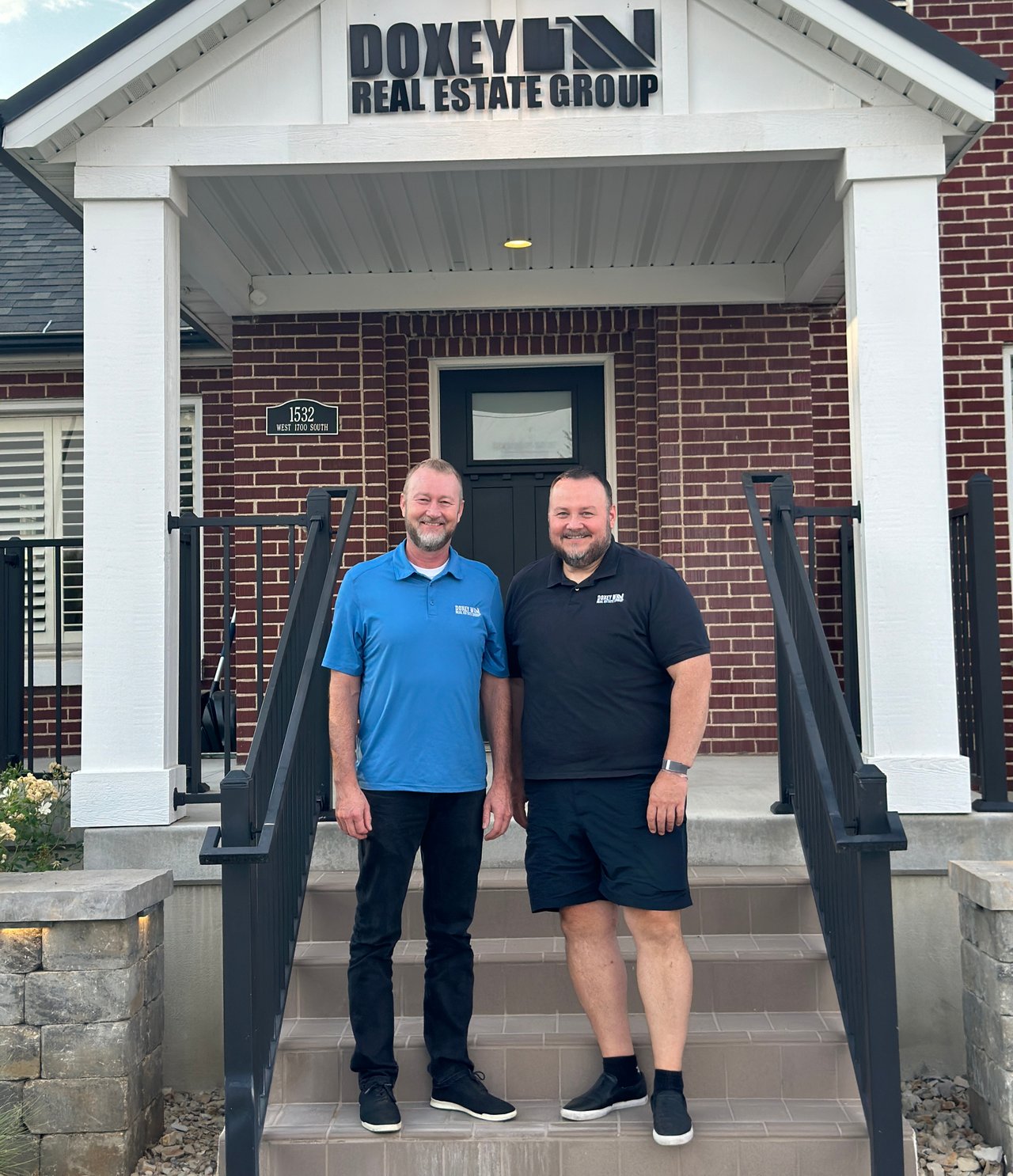
Reach out to us, The Doxey Real Estate Group, and let's talk through what makes sense for your goals.
Reach out to us, The Doxey Real Estate Group, and let's talk through what makes sense for your goals.