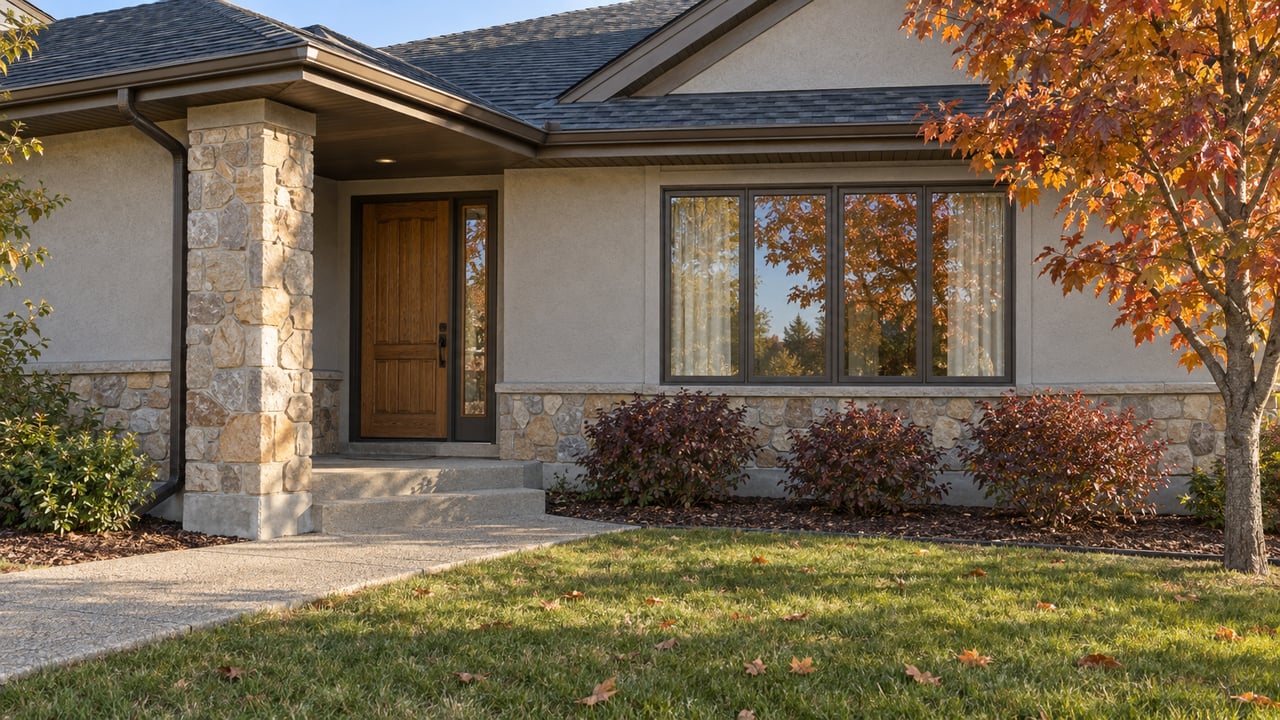
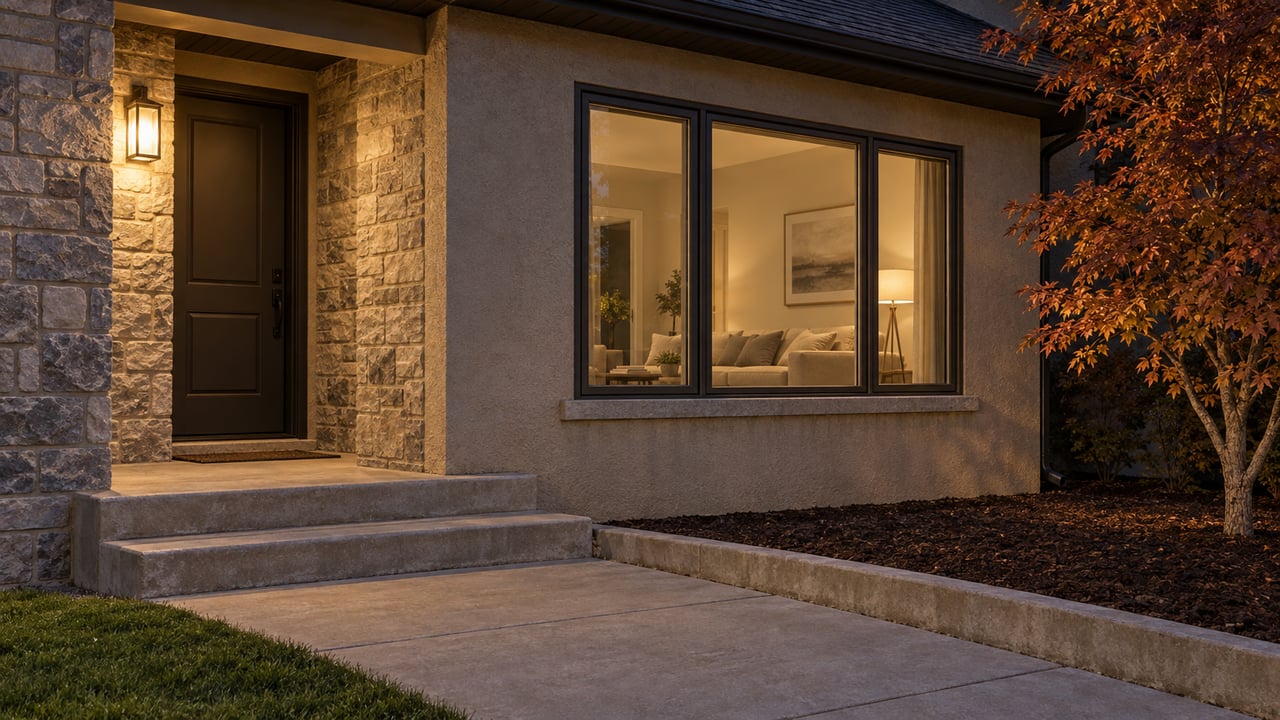
The view is the whole pitch. Stand on a driveway anywhere above Mountain Road and you can see the flat grid of Kaysville give way to your own sloped lot, then the valley floor, then the Great Salt Lake catching the evening light. Fruit Heights sells that vantage point harder than almost anything else in Davis County. What rarely comes up during a showing is that the same tilted bench responsible for the view is also why a radon test here carries more weight than the seller disclosure form lets on, and why the standard closing timeline often runs out before either side gets a real answer.
That is the part worth understanding before you list or write an offer in this particular neighborhood.
The Ground Under the View
Fruit Heights sits almost entirely on a bench, the old shoreline terrace of ancient Lake Bonneville, with the Wasatch alluvial fans rising above it. Local excavation crews who dig foundations here for a living describe the pattern plainly: lower lots near the Kaysville line sit on clay and gravel left by the lake, while properties higher up the slope hit rocky alluvium, angular quartzite and limestone fragments packed in a sandy matrix. On the upper bench, crews routinely strike bedrock at two to four feet.
That terrain is exactly what radon needs to move. Soil gas travels most easily through loose, rocky, well-drained ground, the kind that makes for good views and good drainage and, according to radon mitigation contractors working across the Wasatch Front, easier upward migration into a home's foundation. Homes built into a hillside or a slope face a higher intrusion risk than homes on flat valley clay, simply because the gas has a more direct, more porous path from bedrock to basement.
A third-party lab that has analyzed more than 115,000 Utah radon tests, Alpha Energy Laboratories, places Fruit Heights in its "High" risk tier, meaning 50 to 59 percent of homes tested there came back above the lab's own threshold for concern. That is a meaningfully different number than the county-wide average, and it lines up with what the bench geology would predict. A home in Syracuse sitting on flat valley soil and a home on Fruit Heights' upper bench are not drawing from the same odds, even though both fall under the same Davis County heading on a market report.
Where the Disclosure Form Actually Stops
Buyers often assume the seller disclosure form settles the radon question one way or the other. It does not, at least not the way most people expect.
Utah's Seller's Property Condition Disclosure asks one question about hazardous conditions, including radon, and it only asks the seller to answer based on their current actual knowledge. The form gives three choices: yes, no, or do not know. A seller who bought the home a decade ago, never tested, and has lived there without issue can honestly check "no," even if the home is currently sitting at a level that would concern a certified tester. The form measures what the seller knows, not what is actually in the basement.
Utah has added one more layer of visibility recently. Since September 2023, county treasurers have been required to include radon information with property tax notices, a small nudge toward awareness that has nothing to do with a transaction timeline and everything to do with long-term ownership. It helps homeowners think about testing generally. It does nothing to protect a buyer who is under contract in October and relying on a disclosure form that was never designed to require testing in the first place.
For a bench community where the baseline odds already run higher, that gap between "disclosed" and "actually tested" matters more than it would in a flatter, lower-risk part of the county.
The Clock Problem
Here is where the timeline actually bites. According to Homaera, radon testing in a real estate transaction typically happens during the standard due diligence period written into most Utah purchase contracts, generally 14 to 21 days after a contract is signed. That window works fine for a home inspection. It does not line up well with how radon testing actually gets done in this part of the state.
Davis County Health Department offers free radon test kits, but only from November through March, and only to residents who get on a waitlist that runs two to six weeks from request to appointment. The county is explicit that this program is not built for real estate transactions. A buyer trying to close on a home in October cannot use the program in time; its testing season begins in November. A buyer trying to close in December might get on the list in time for the test, but not in time for the result to arrive before due diligence expires.
That leaves the certified private tester as the only realistic option for anyone under contract, at any time of year. These testers use handheld screening tools and short-term monitors placed in the lowest livable level of the home, typically running 48 to 96 hours, with results that meet the documentation standards lenders and title companies expect. It costs money and it has to be scheduled deliberately. Waiting until the middle of a due diligence window to think about it is how buyers end up asking for an extension, or skipping the test altogether because time ran out.
If you are selling a bench-lot home in Fruit Heights this fall, testing before you list, rather than waiting for a buyer to request it, gives you a real answer on your own timeline instead of a scramble on someone else's.
What Mitigation Actually Costs, and Who Pays
A radon result above the EPA's action level of 4.0 picocuries per liter is not a reason to walk away from a home or a sale. It is a fixable, well-understood problem with a known price tag.
Across several Utah mitigation companies quoting current 2026 pricing, a standard sub-slab depressurization system, a pipe through the lowest slab connected to a fan that vents the gas above the roofline, typically runs between $1,800 and $2,300 for a straightforward foundation. Homes with crawl spaces, multiple foundation types under one roof, or unusual layouts can push that number higher. Installation is usually a single day's work, and a properly designed system commonly brings levels down by 80 to 99 percent.
In practice, most transactions handle this the same way they handle a failed water heater or an aging furnace. The buyer requests a closing credit to cover the mitigation cost, then hires their own certified contractor after closing rather than asking the seller to manage the installation. That structure keeps the timeline moving and lets the buyer choose their own contractor and warranty terms, which matters since most reputable systems come with a lifetime transferable warranty worth having in writing.
A test result between 2.0 and 4.0 picocuries per liter sits in a gray zone. It is below the EPA's formal action threshold but above what some labs, including Alpha Energy, treat as worth addressing. It can become a negotiation point, worth discussing openly rather than glossing over.
Where This Leaves You
If you are buying on the upper bench in Fruit Heights, budget the time for a certified test into your due diligence period from day one, not day twelve. If you are selling, testing ahead of listing turns a potential mid-transaction scramble into a line item you control, and gives you a documented answer instead of a "do not know" box that satisfies the form but not a cautious buyer.
None of this makes Fruit Heights a harder place to buy or sell than the rest of Davis County. It makes the timeline different, and the disclosure form less of a safety net than it looks on paper. Knowing that before you are three weeks into a contract is the whole advantage.
A few questions worth asking directly
Does a newer home with a builder-installed radon pipe mean I don't need to test? No. Many new Utah homes include a passive vent pipe by default, but a passive system without an active fan often does not reduce radon enough on its own. Testing tells you whether that passive pipe needs a fan added.
What should I consider if my result comes back between 2.0 and 4.0 picocuries per liter? That range sits below the EPA's action level but above the threshold some labs use to flag concern. It is common for buyers to request mitigation anyway, particularly with young children in the home.
Can I skip a professional tester and use a hardware store kit instead? For personal peace of mind, yes. For a transaction, most lenders and title companies expect results from a continuous monitor or short-term device placed by a certified professional, which a basic retail kit does not guarantee.
Selling or buying on Fruit Heights' bench comes with a few of these details that only show up once you are in the middle of a contract. If you want a straight answer about how this plays out for your specific address, the team at Doxey Real Estate Group has walked enough Davis County closings to tell you exactly what to expect and when to schedule it.
This article is general information, not legal, tax or financial advice. Consult a qualified professional about your situation.